
In the Footsteps of the Great Migration
From Peć to Buda and back to Srem. In 1690 Patriarch Arsenije III Čarnojević led part of the Serbian people north into Hungary. The route follows the migration from the Patriarchate of Peć, through the Serbian churches of Szentendre, Budapest and Ráckeve and the monastery of Grabovac, to Krušedol and Sremski Karlovci, where the centre of the Serbian Church was re-established.
Suggested itinerary
Stops
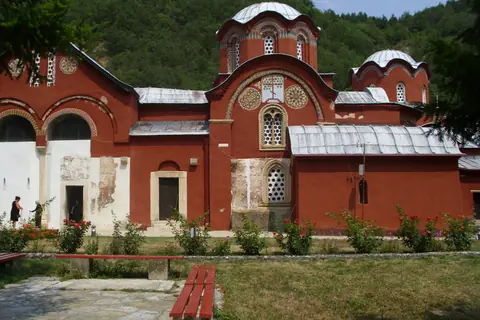
Patriarchate of Peć
Peć · Serbia
A complex of churches at the entrance to the Rugova gorge, for centuries the seat of the Serbian archbishops and patriarchs.
↓ 565 km to the next stop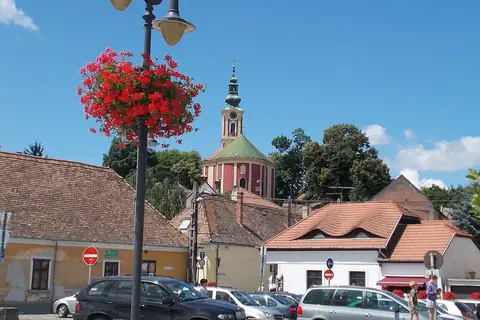
Cathedral Church in Szentendre
Szentendre · Hungary
The seat of the Eparchy of Buda in a town settled by Serbs after the Great Migration of 1690.
↓ 20 km to the next stop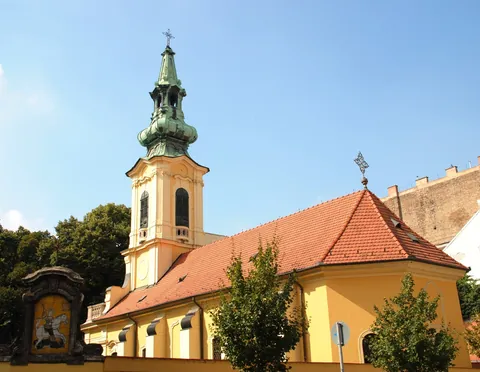
Serbian Church of St George, Budapest
Budapest · Hungary
The only church of the Serbian Orthodox Church in Budapest, on Szerb Street, less than a hundred metres from Váci Street.
↓ 37 km to the next stop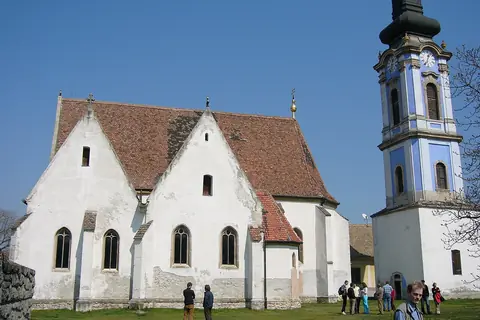
Serbian Church in Ráckeve
Ráckeve · Hungary
The Church of the Dormition of the Virgin on Csepel Island in the Danube, the oldest surviving Serbian monument in Hungary.
↓ 100 km to the next stop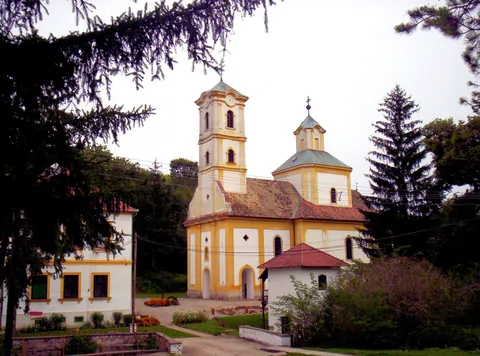
Grabovac Monastery
Grábóc, Tolna County · Hungary
A monastery founded in 1587 by monks from Dragović in Dalmatia who had fled famine.
↓ 166 km to the next stop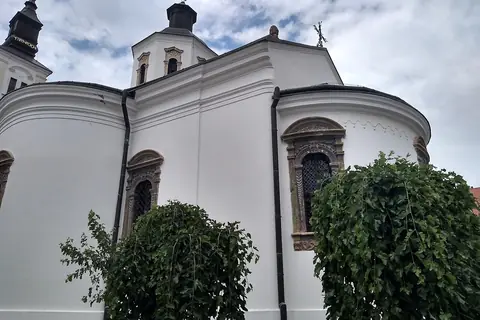
Krušedol Monastery
Irig, Fruška Gora · Serbia
The endowment of the last Brankovićs — Bishop Maksim, formerly Despot Đorđe, and his mother, Despotess Angelina.
↓ 10 km to the next stop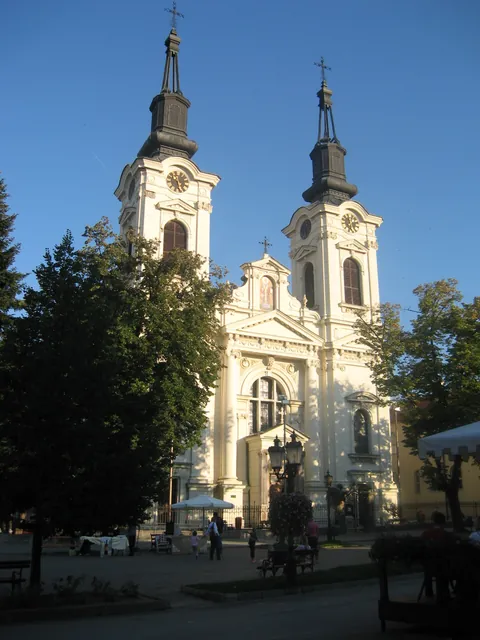
Cathedral of St Nicholas, Sremski Karlovci
Sremski Karlovci · Serbia
The Cathedral of St Nicholas, the central church of the former seat of the Metropolitanate of Karlovci and the Serbian Patriarchate.
Distances are given as the crow flies; the actual road distance is longer. Check the opening hours of monasteries and museums before setting out, and dress modestly for visits to holy places.