
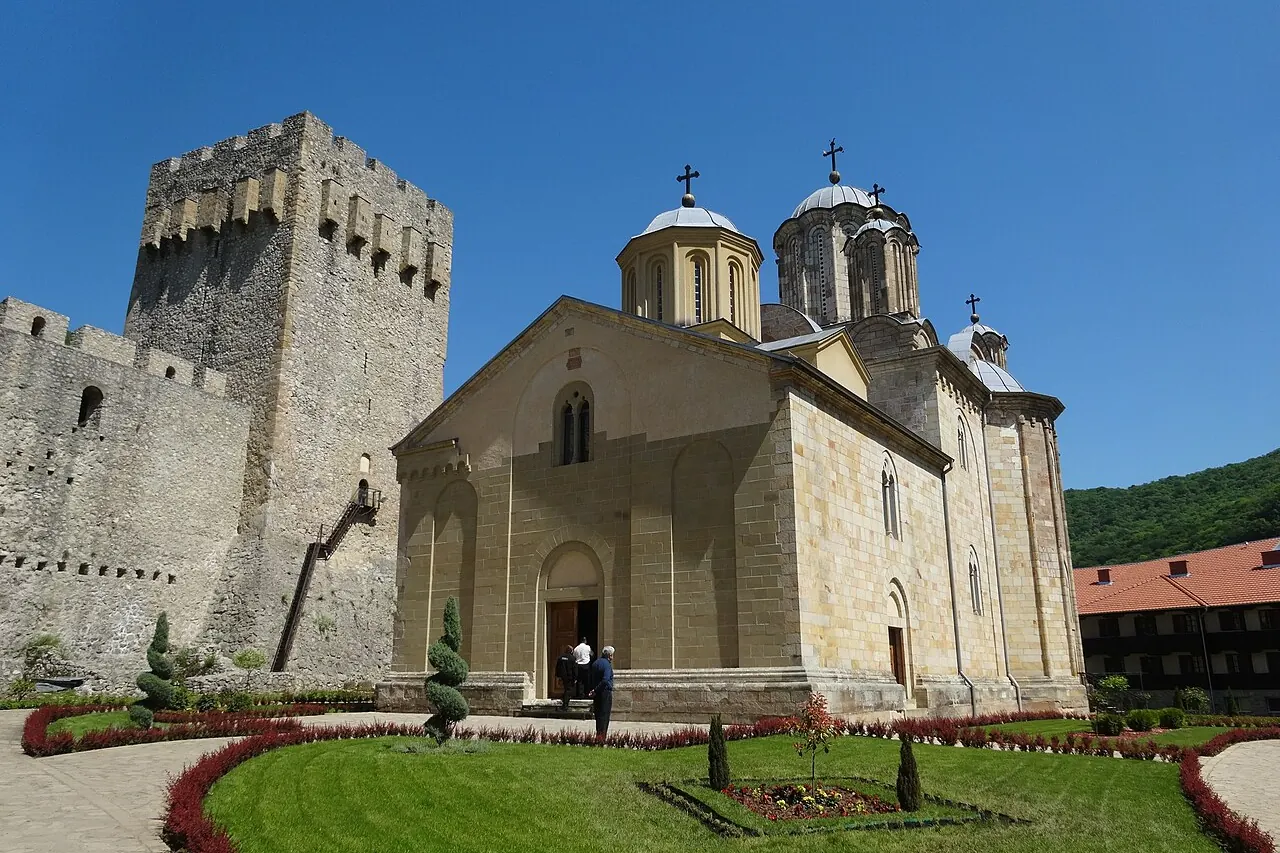
Manasija Monastery (Resava)
Despotovac · Serbia
1406/7–1418
World Heritage
The United Nations Educational, Scientific and Cultural Organization inscribes on the World Heritage List properties of outstanding universal value, nominated by the States Parties to the 1972 Convention concerning the Protection of the World Cultural and Natural Heritage. Serbia became a party to the Convention by succession in 2001. This page brings together the Serbian heritage on that list — in Serbia and beyond.
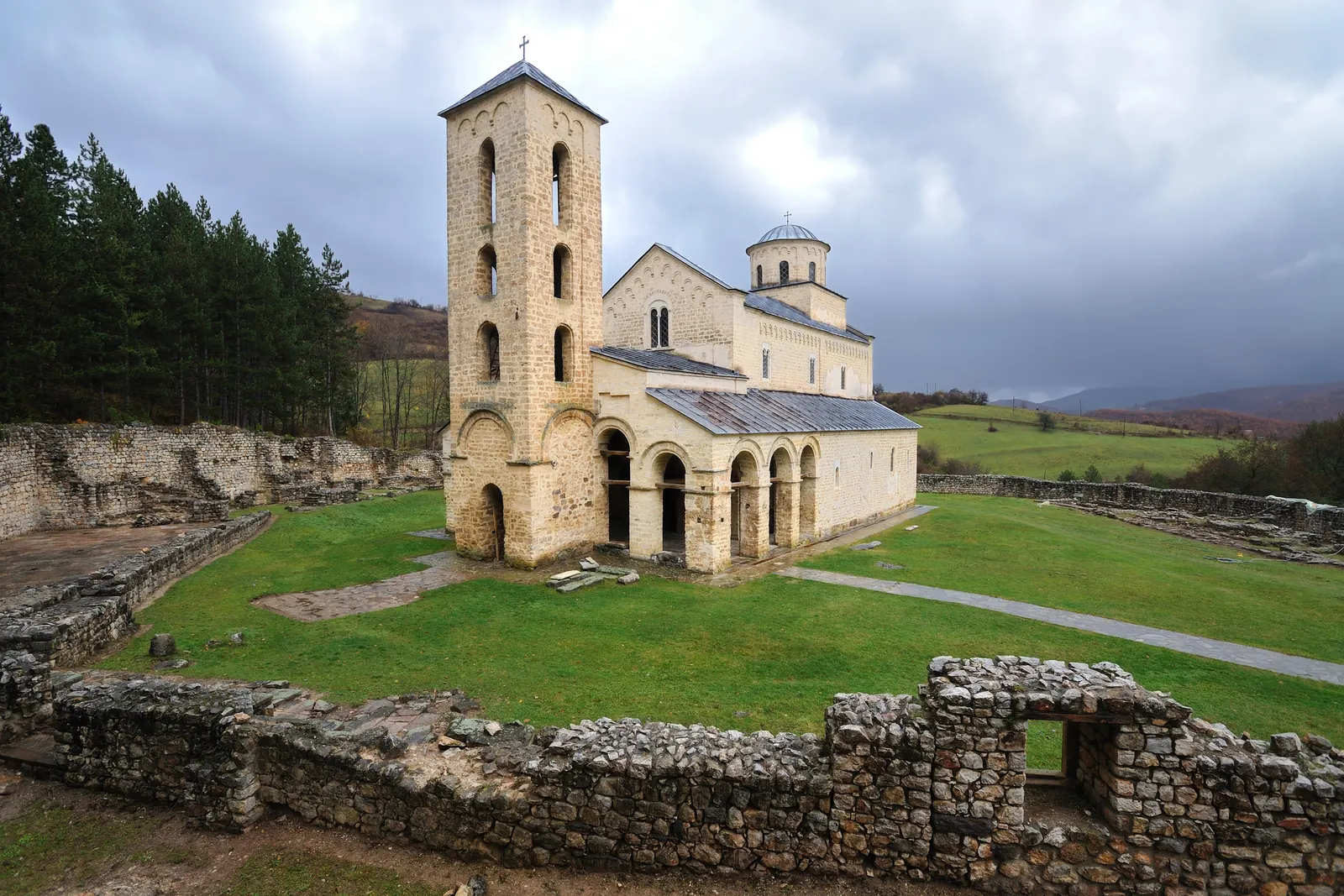
1979
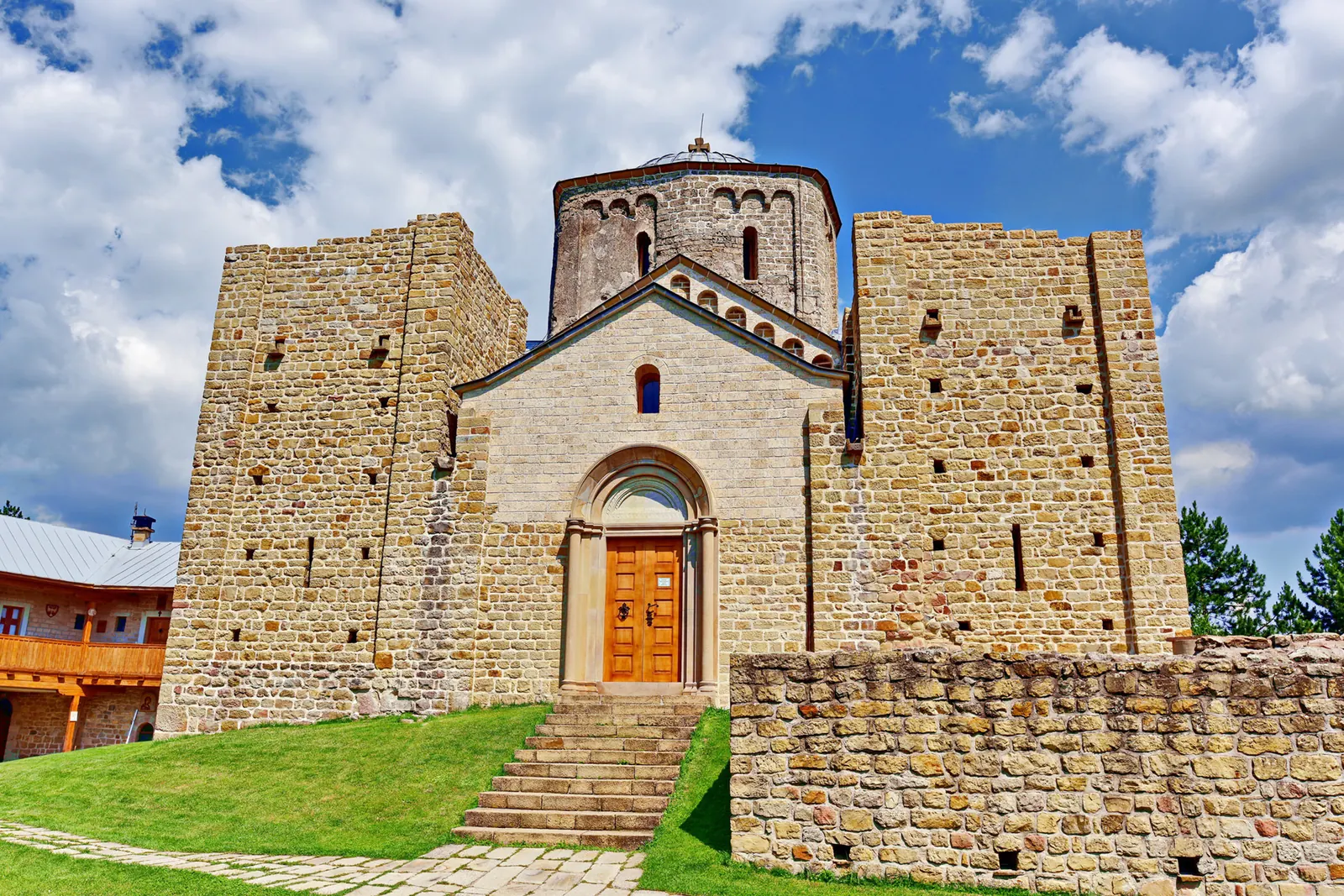
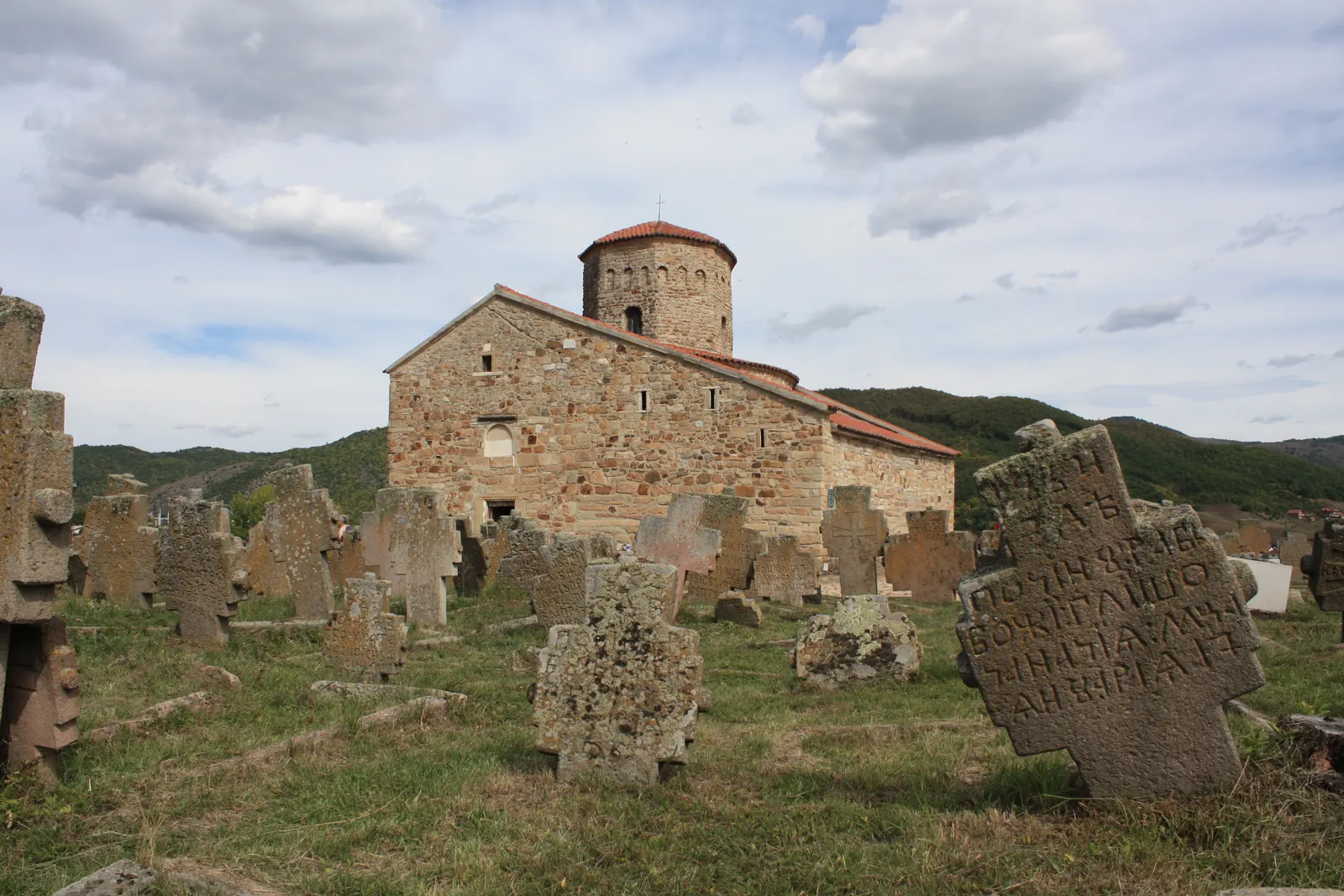
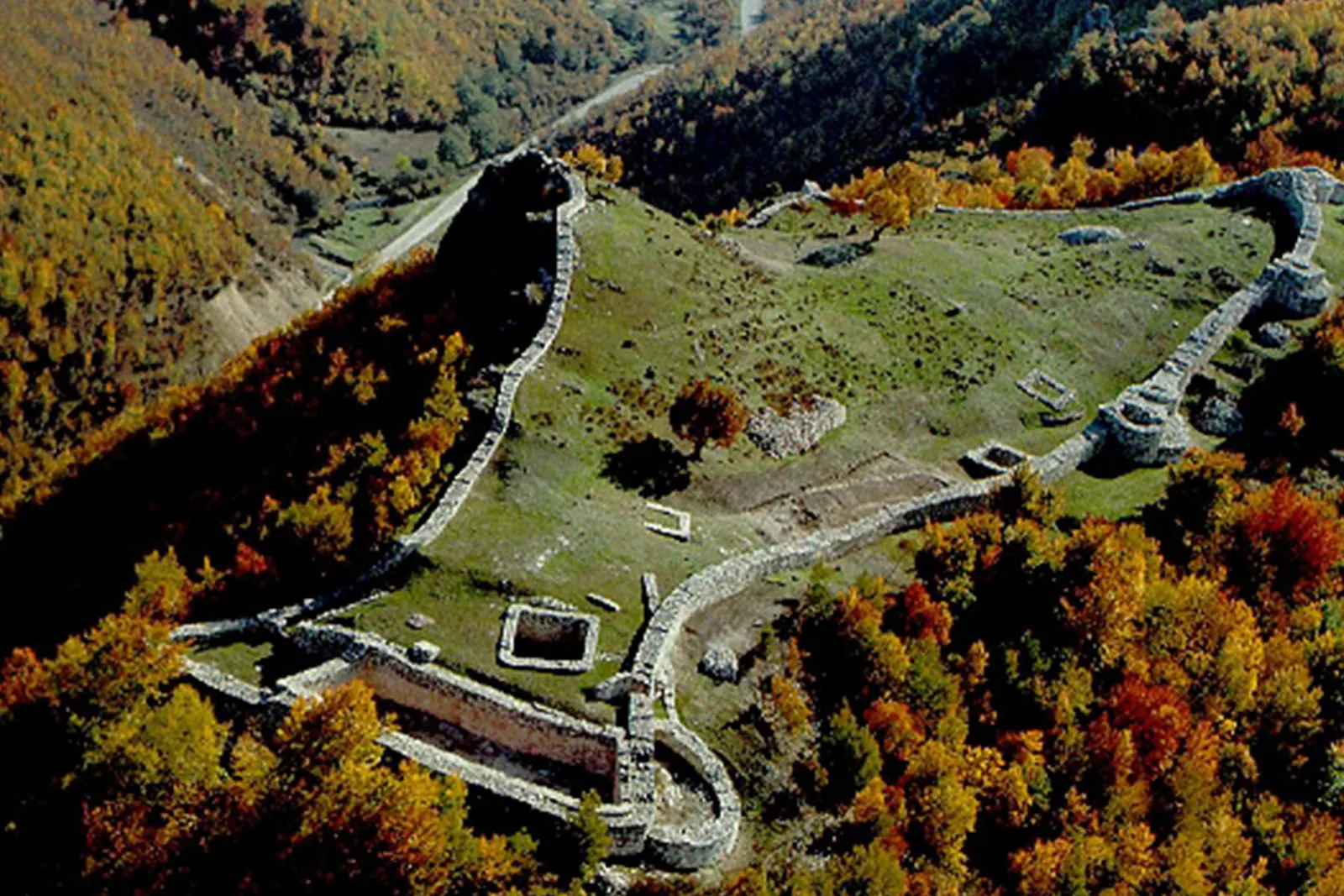
A serial property of four components in Raška: Sopoćani Monastery, the monastery of Đurđevi Stupovi, the Church of St Peter and the archaeological site of medieval Ras. The churches, built between the 10th and the 13th centuries, bear witness to the birth of the art of medieval Serbia, which reached the highest achievements of Byzantine art and of the art of Central and South-Eastern Europe. Stari Ras, at the crossroads of Eastern and Western influences, recalls the time when it was the first capital of the Serbian state.
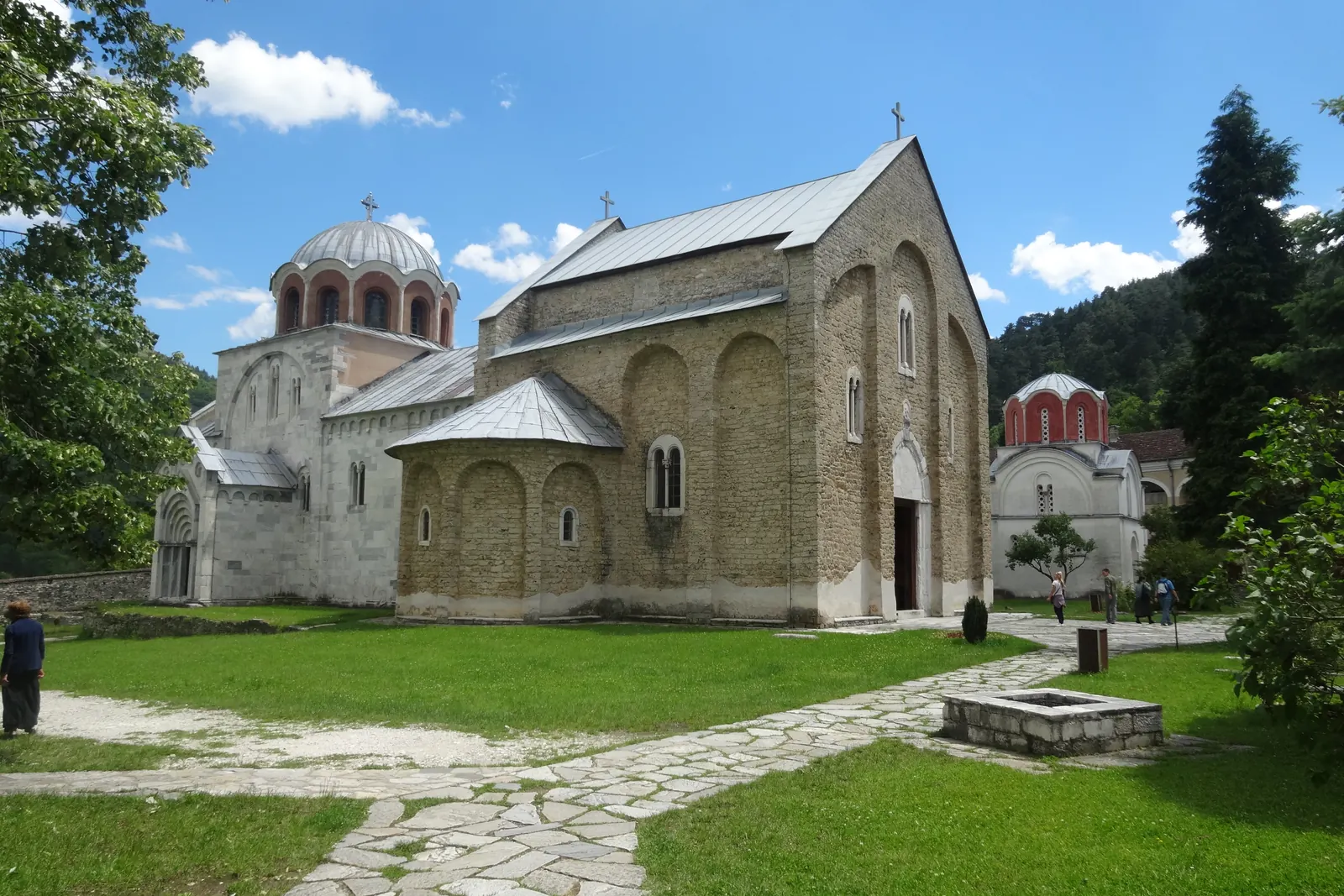
1986
The largest and richest Serbian Orthodox monastery, founded at the end of the 12th century. It is the endowment of Stefan Nemanja, where he, his wife Ana (in monastic life Anastasija) and Stefan the First-Crowned, the first Serbian king, are buried. Its two principal churches, the Church of the Virgin and the King’s Church, preserve priceless ensembles of 13th- and 14th-century wall painting.
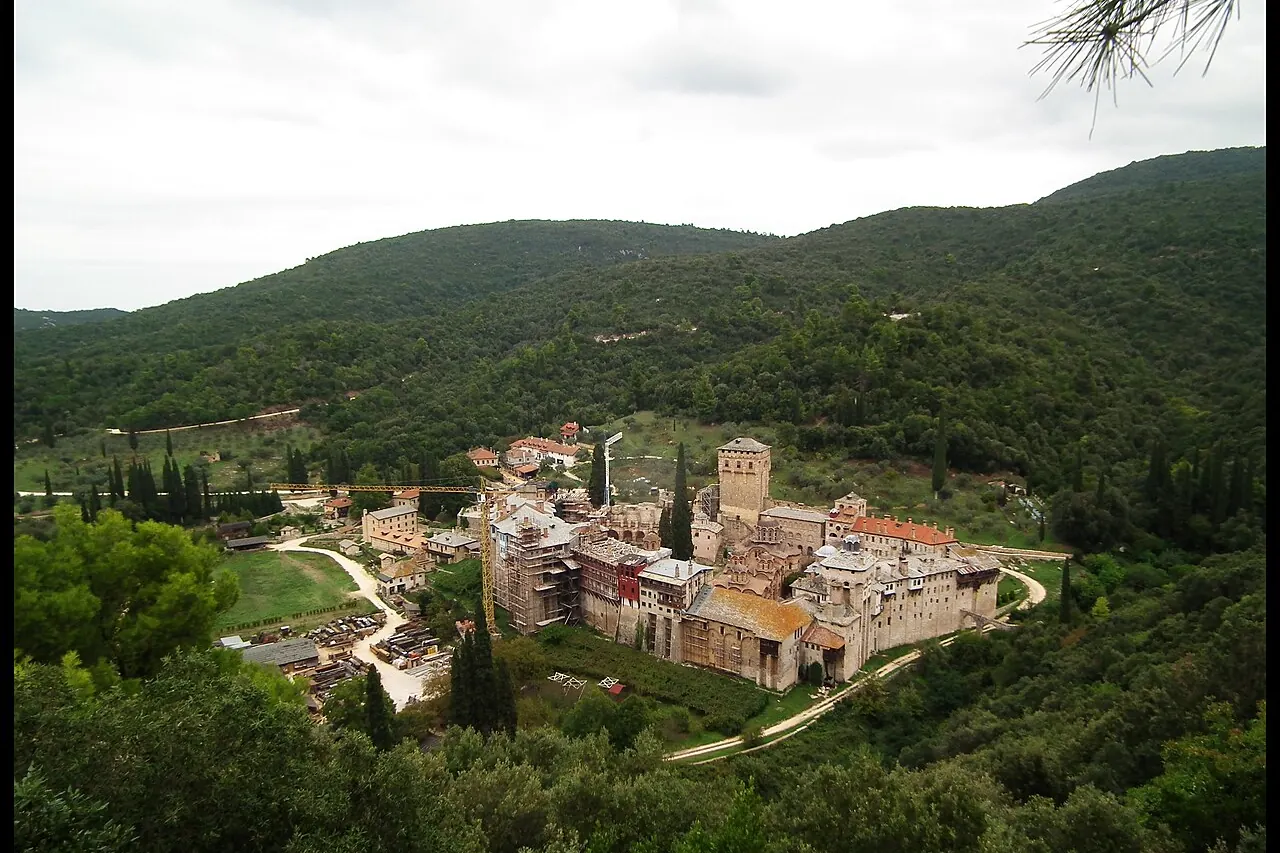
1988
Mount Athos is inscribed on the World Heritage List as a mixed cultural and natural property. Among its twenty monasteries is Hilandar, the imperial lavra of the Serbian people, restored in 1198 by Stefan Nemanja and Saint Sava.
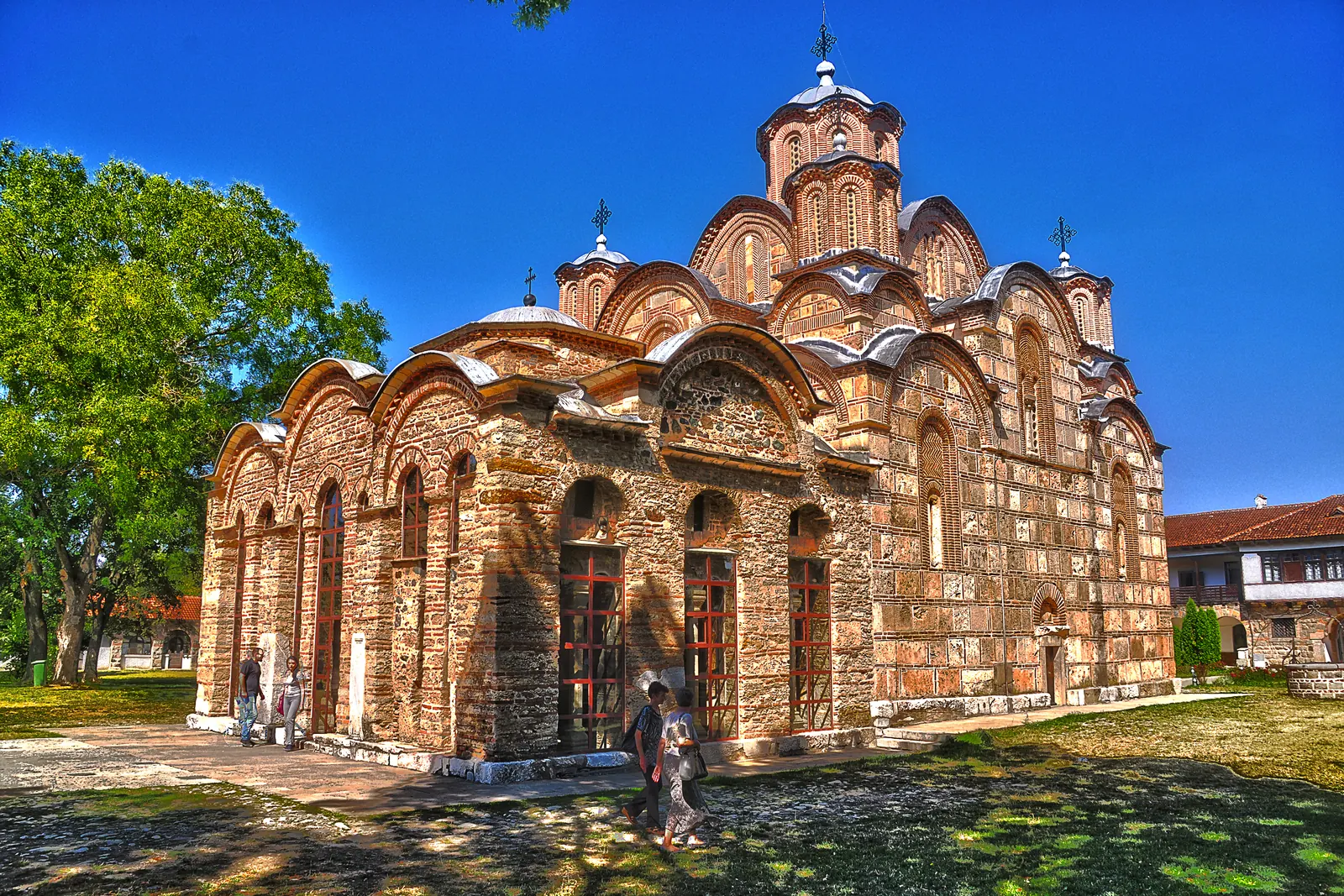
2004 / 2006 · World Heritage in Danger
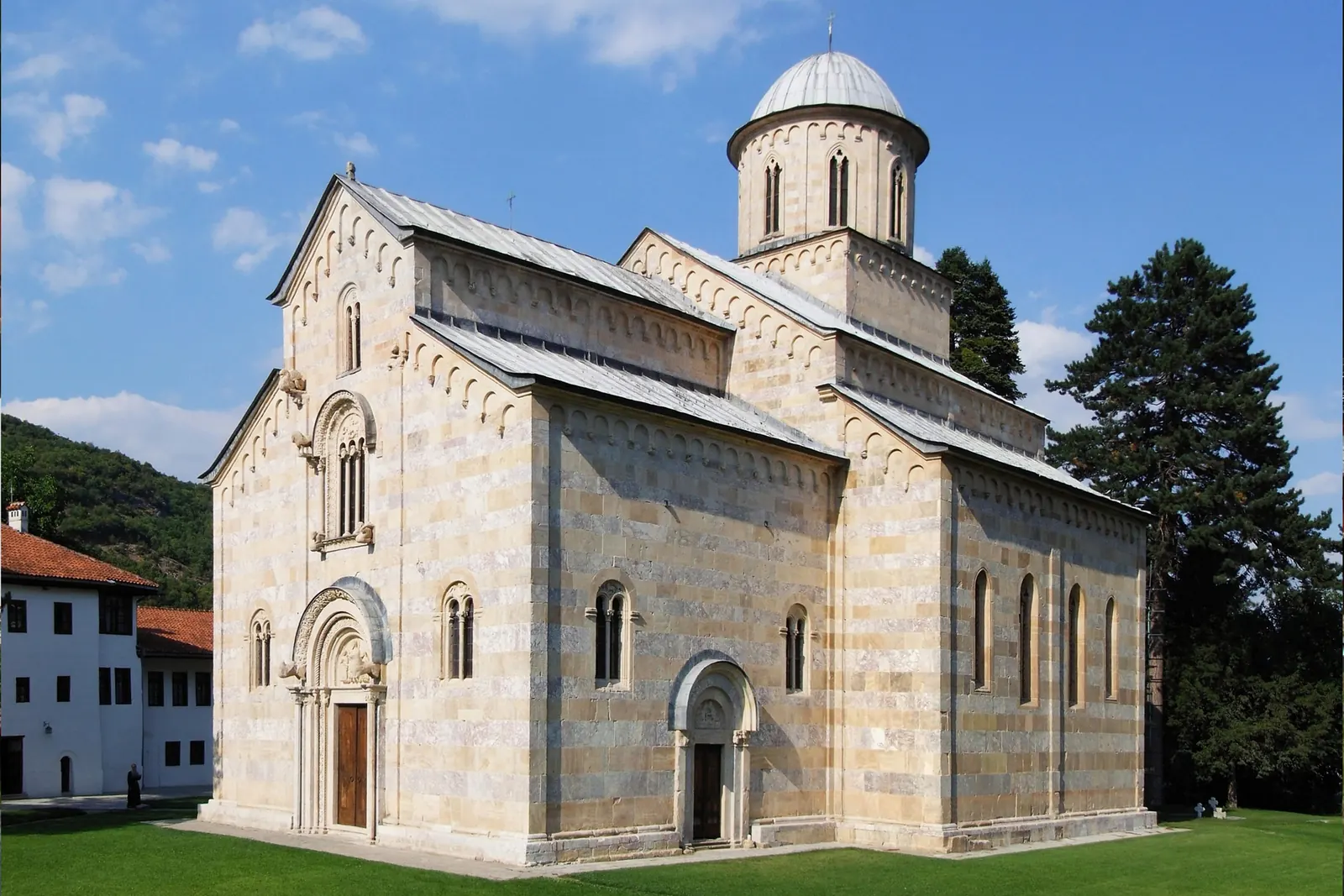
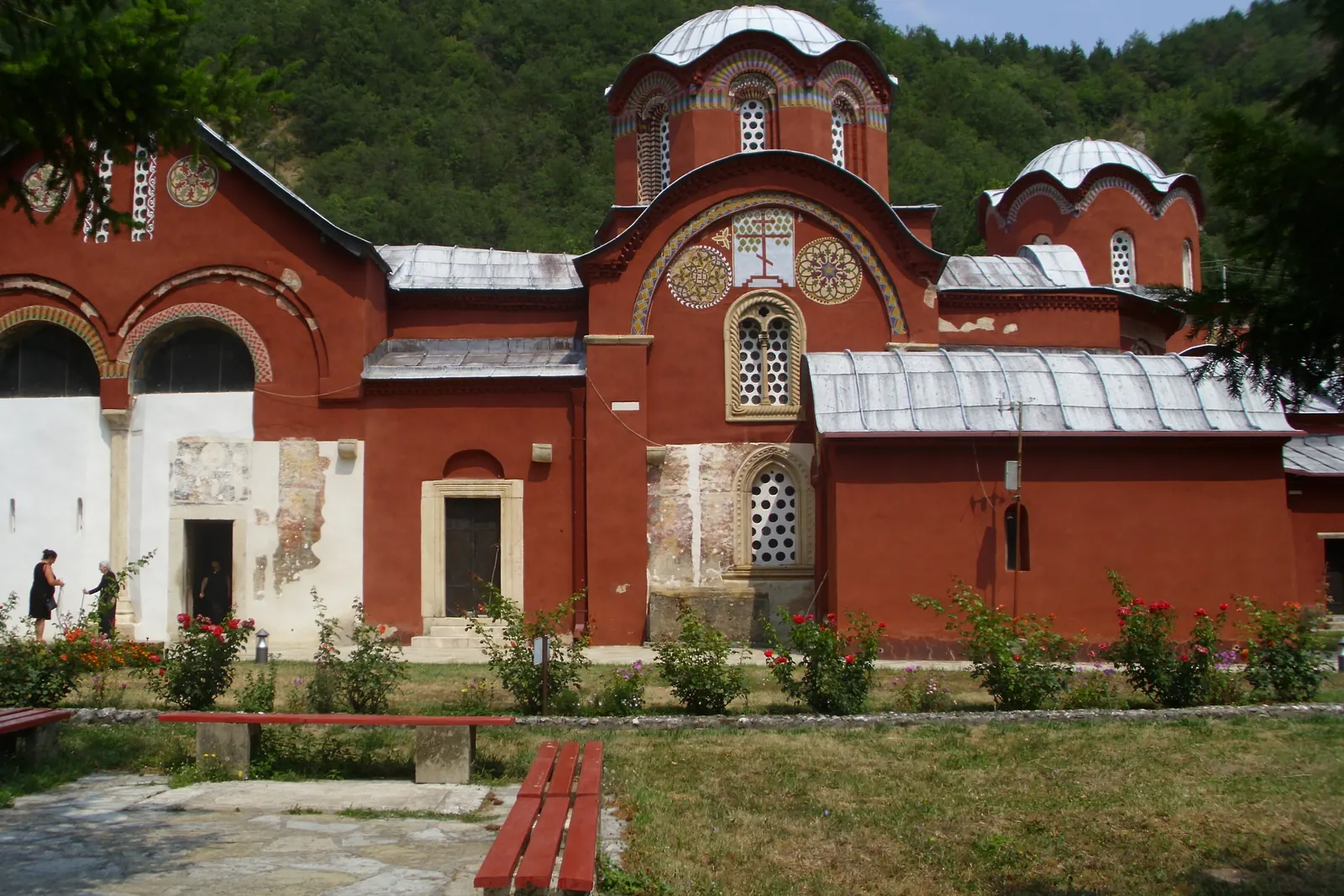
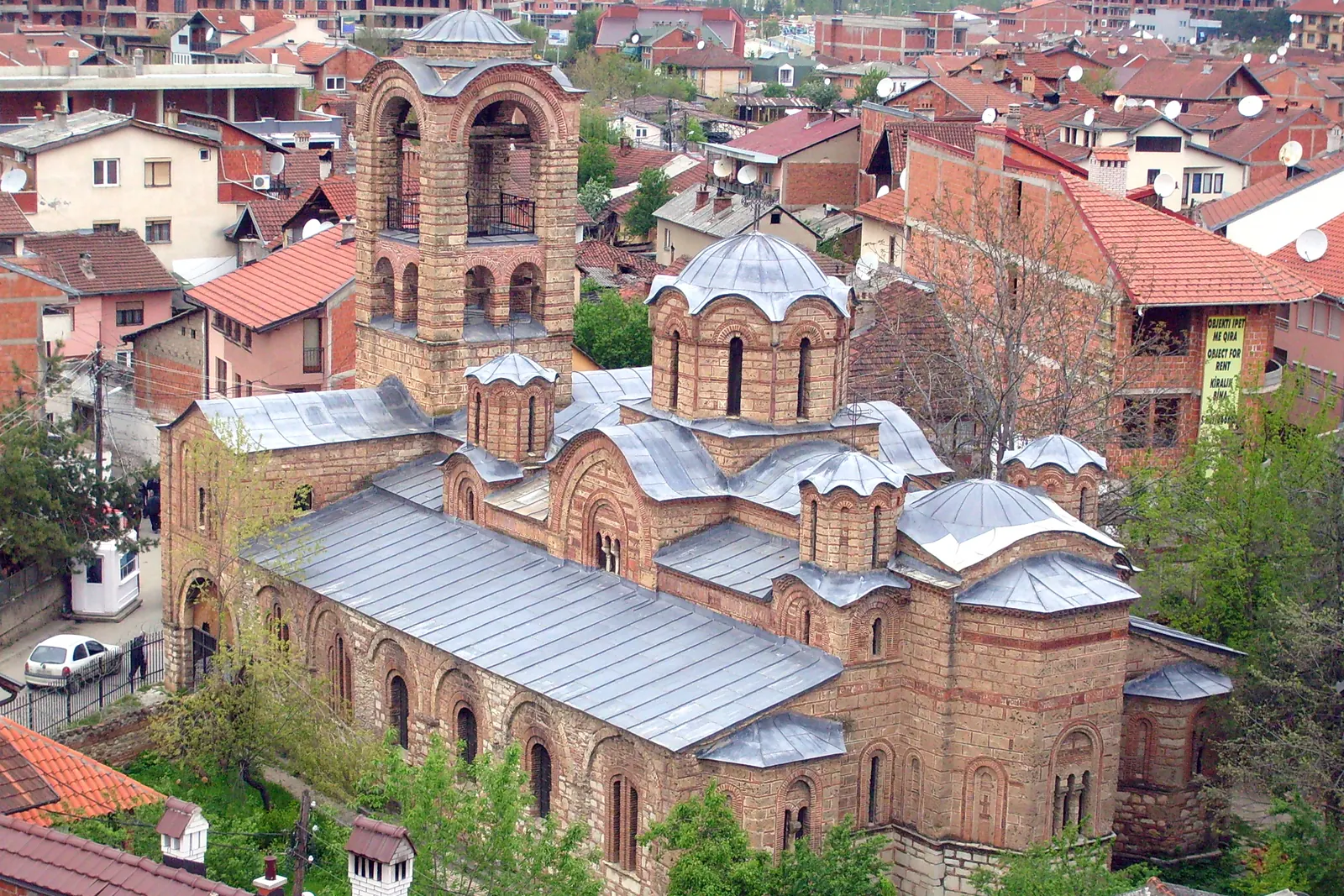
The property comprises four Nemanjić endowments: Visoki Dečani Monastery, inscribed in 2004, and the Patriarchate of Peć, Our Lady of Ljeviš and Gračanica Monastery, added in 2006. They blend Orthodox Byzantine and Western Romanesque church architecture, and their wall paintings are the summit of the Palaiologan Renaissance in the Balkans. Since 2006 the property has been on the List of World Heritage in Danger because of difficulties in its management and conservation.
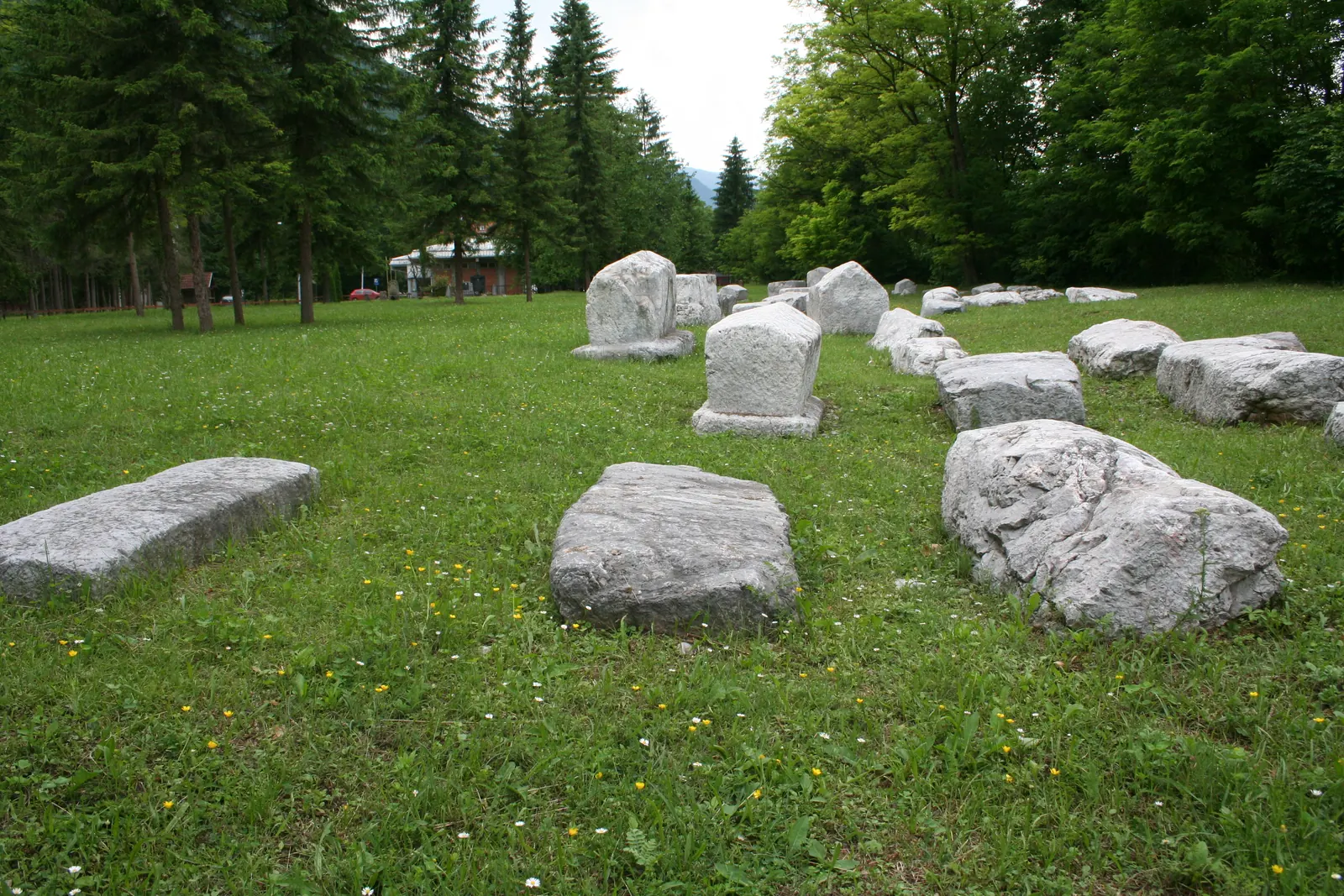
2016
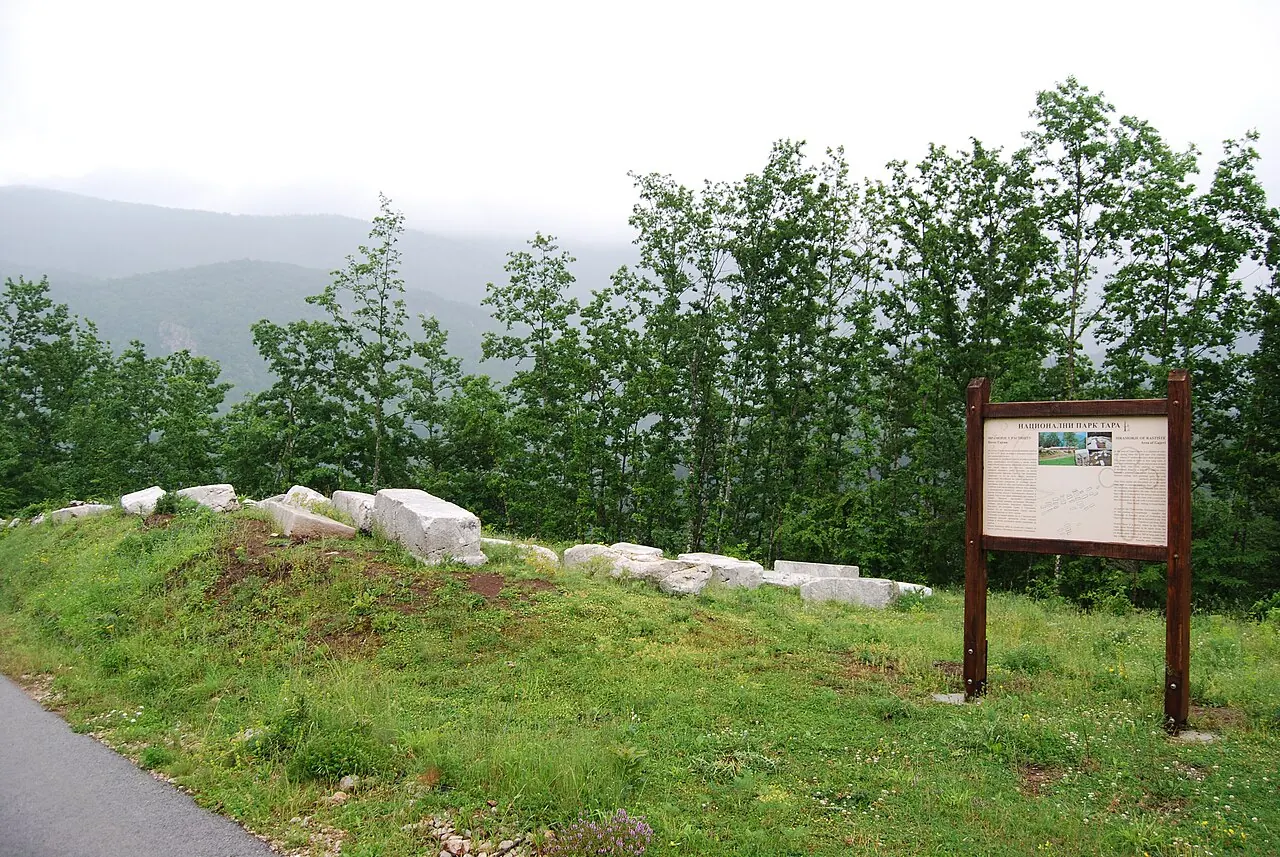
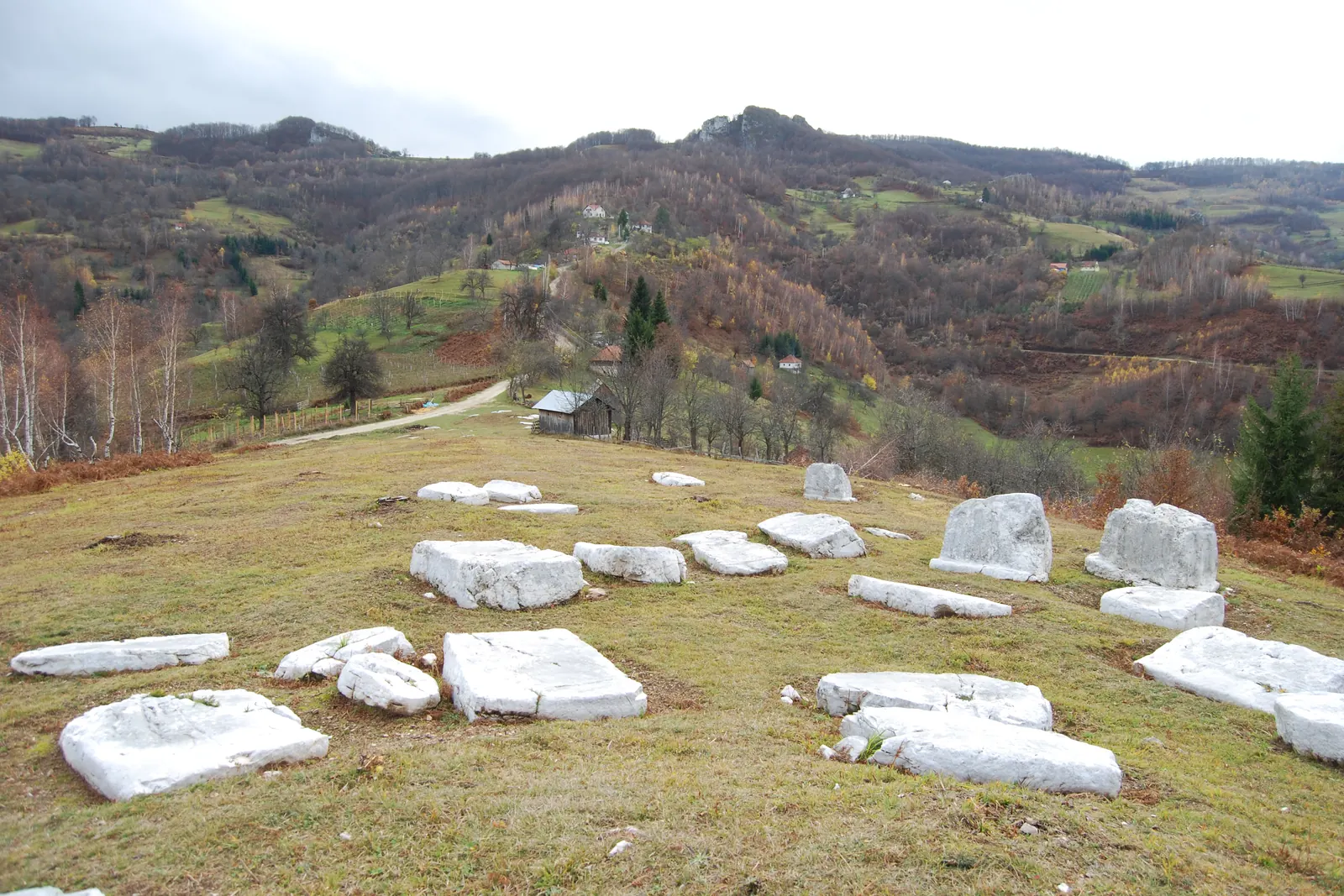
A serial property inscribed jointly by Bosnia and Herzegovina, Serbia, Montenegro and Croatia. In Serbia it includes the necropolises at Perućac and Rastište near Bajina Bašta and at Hrta near Prijepolje. Stećci appear in the 12th century and flourish in the 14th and 15th centuries; they are distinguished by their varied shapes, reliefs and inscriptions.
Tentative List
The Tentative List is an inventory of properties that a state intends to nominate for the World Heritage List. From the Tentative List of the Republic of Serbia, the database includes three ensembles of Serbian monumental heritage:
Despotovac · Serbia
1406/7–1418
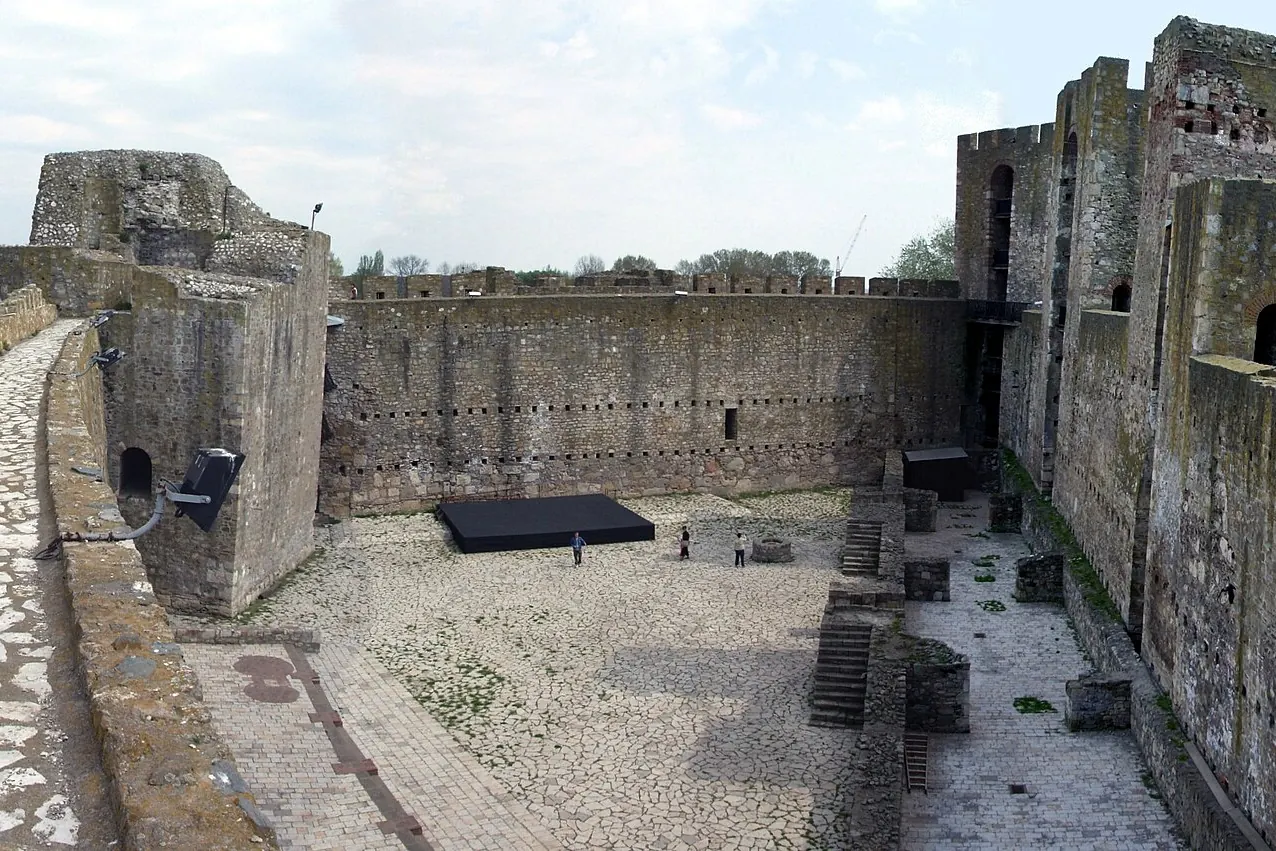
Smederevo · Serbia
1428–1430
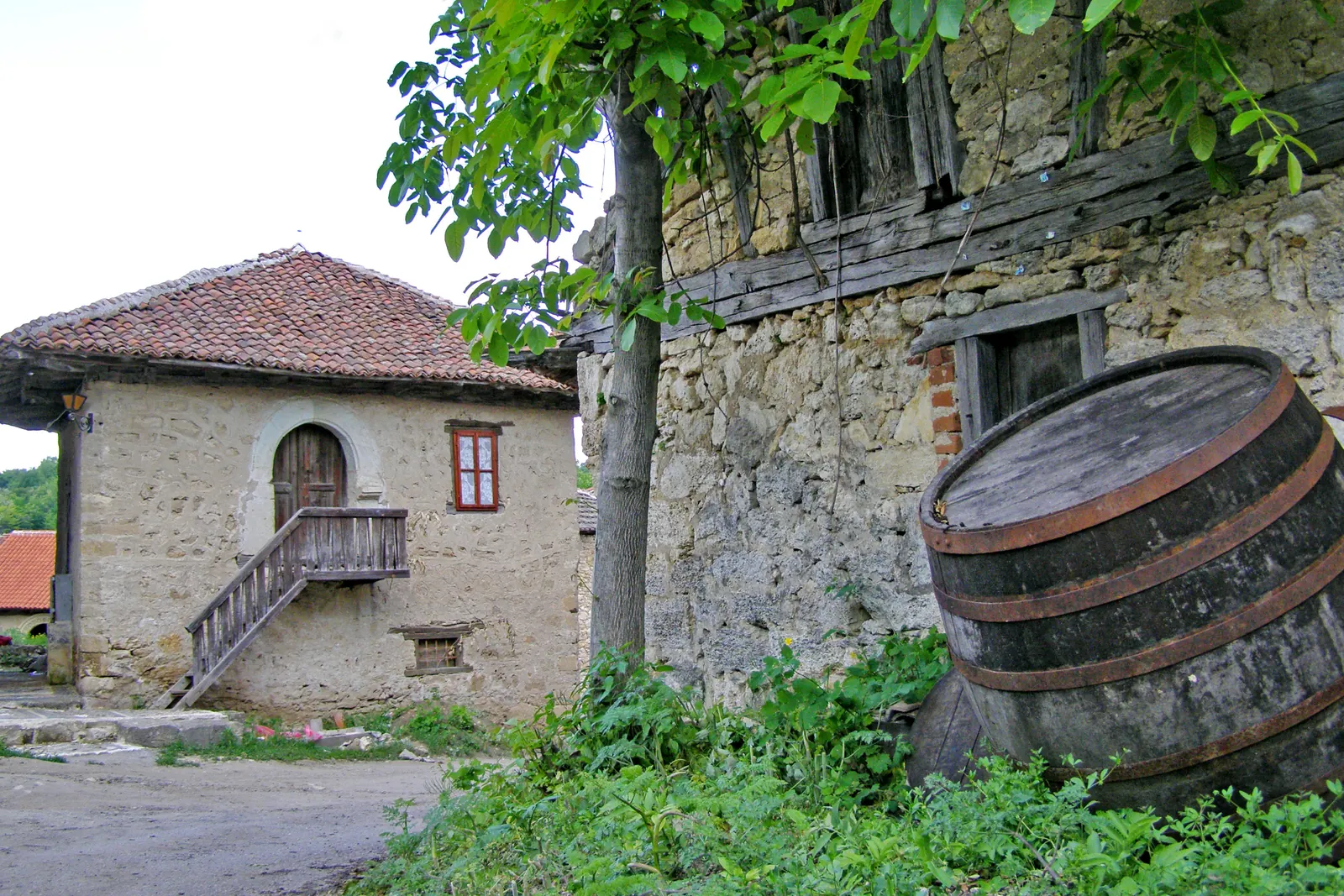
Rajac, Negotin · Serbia
19th century
Not all World Heritage on Serbian soil is of Serbian origin. Late Roman Gamzigrad–Romuliana, inscribed on the World Heritage List in 2007, and Caričin Grad and the Roman Limes from the Tentative List belong to Roman heritage. The natural sites — the Đerdap, Tara and Šar Mountains national parks, the Deliblato Sands and Đavolja Varoš — belong to natural heritage. The Cultural Landscape of Bač is represented through individual Serbian monuments of the area, such as Bođani Monastery.