
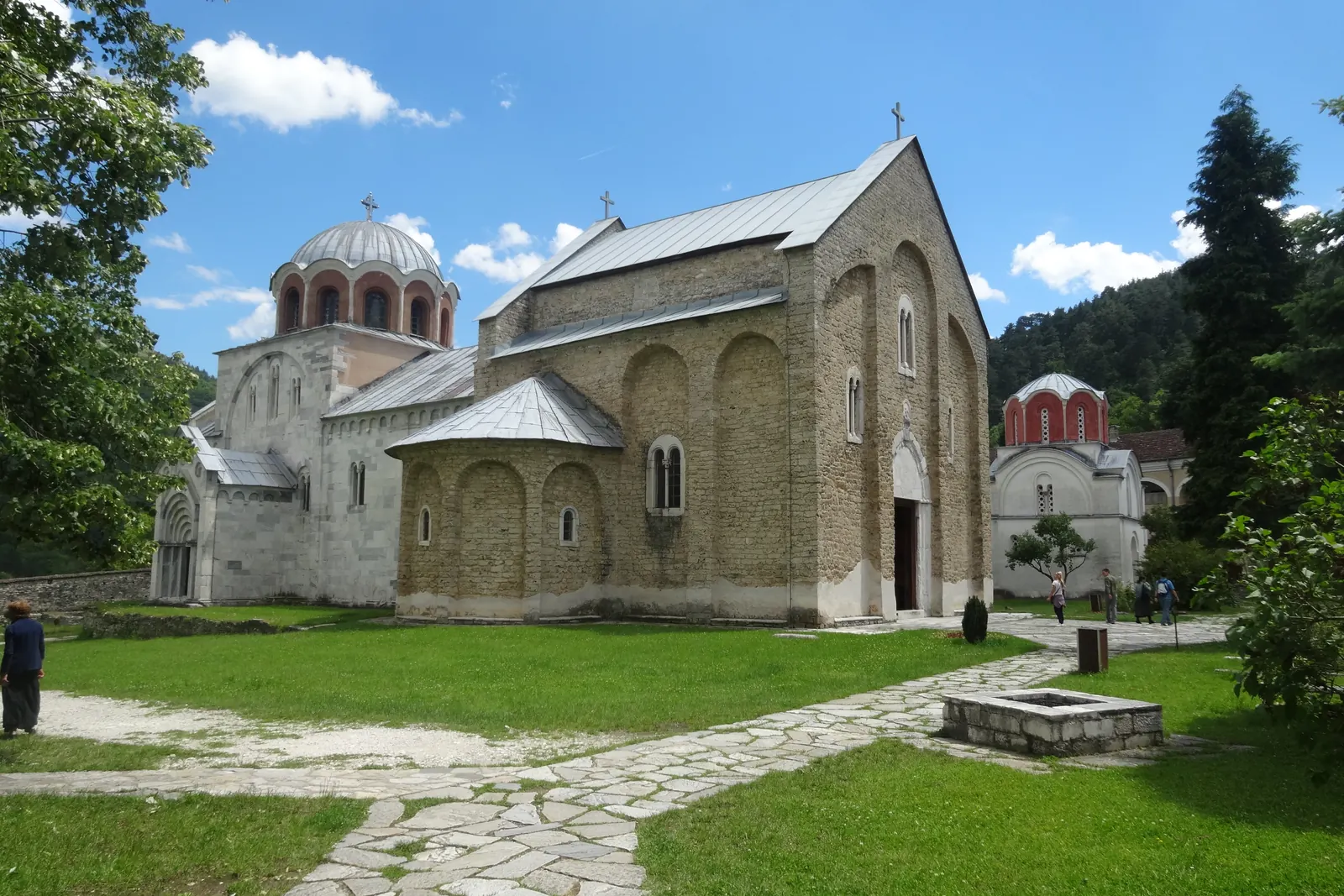
Studenica Monastery
Ušće, Kraljevo · Serbia
1183–1196


Serbian Historical Corpus
The umbrella database of Serbian monumental heritage — in Serbia, the region and the world.
What is a Serbian monument?
Serbian Monuments is not an inventory of monuments within the borders of one state. It is the umbrella database of monuments of Serbian historical and cultural origin — those built by Serbs and by Serbian state, church and civic institutions, those that keep the memory of Serbian history or serve the Serbian community — wherever they stand: in Serbia, from Vojvodina to Kosovo and Metohija, in Republika Srpska and Montenegro, in Dalmatia and Lika, on Mount Athos, in Thessaloniki and on Corfu, in Szentendre and Timișoara, in Vienna, Trieste, Paris, Bizerte and Chicago.
At the same time, not every monument on Serbian soil is a Serbian monument. Roman palaces, natural sites and monuments of foreign rule enter the database only if they have become part of Serbian history and culture.
Principles and criteria of the databaseFounded by Serbian rulers, nobles, the Serbian Church or benefactors.
Commemorates a person, event or suffering from Serbian history.
The work of Serbian builders, painters and sculptors or of a school of Serbian art.
Built and cared for by a Serbian community in the region or in the diaspora.
Permanently inscribed in Serbian historical memory, tradition and literature.
Typology
Endowments of rulers, nobles and ordinary people — from the monasteries of Raška and the Morava valley to churches of the diaspora.
64 monuments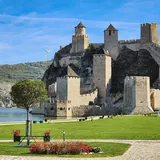
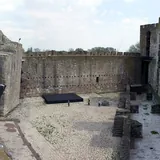
Capitals, towns and fortresses of the Serbian kings and despots.
9 monuments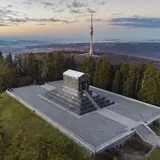
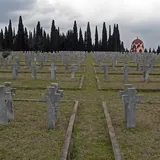
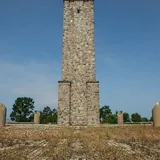
Memorial complexes, ossuaries and war cemeteries — places that remember wars and suffering.
19 monuments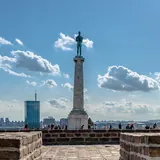
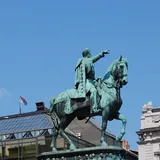
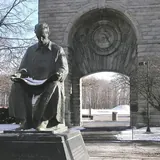
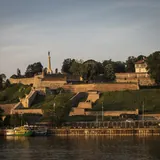
Monuments to people and events in squares and parks.
11 monuments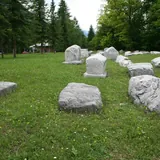
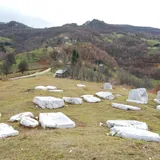
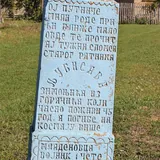
Stećci, stone crosses and roadside memorials — the stone markers of Serbian memory.
4 monuments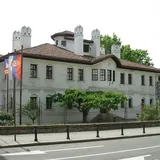
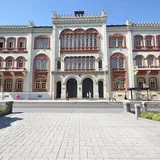
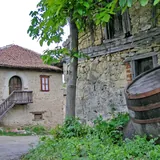
Residences, palaces, birthplaces of great figures and vernacular architecture.
13 monuments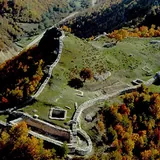
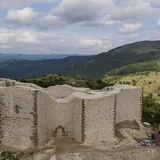
Remains of medieval capitals and settlements.
3 monuments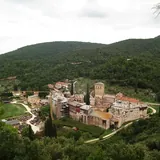
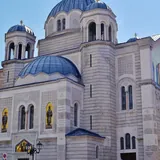
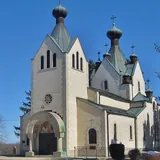
The complete register from A to Z, with search and filters.
123 monumentsInteractive map
From Đurđevi Stupovi to Niagara Falls — every monument in the database has its place on the map, with its type, period and protection status.
Digital treasury
Ušće, Kraljevo · Serbia
1183–1196
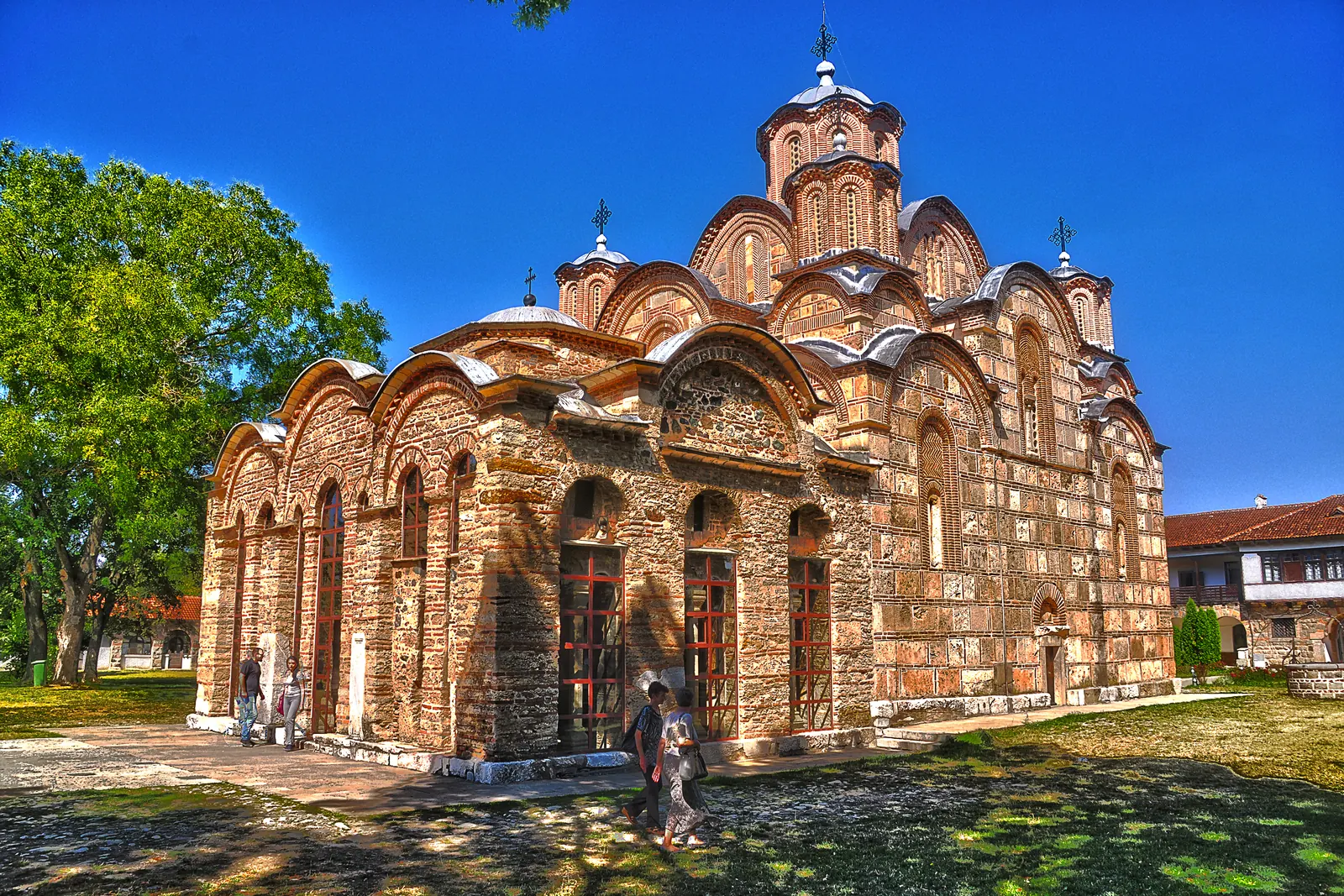
Gračanica · Serbia
1321
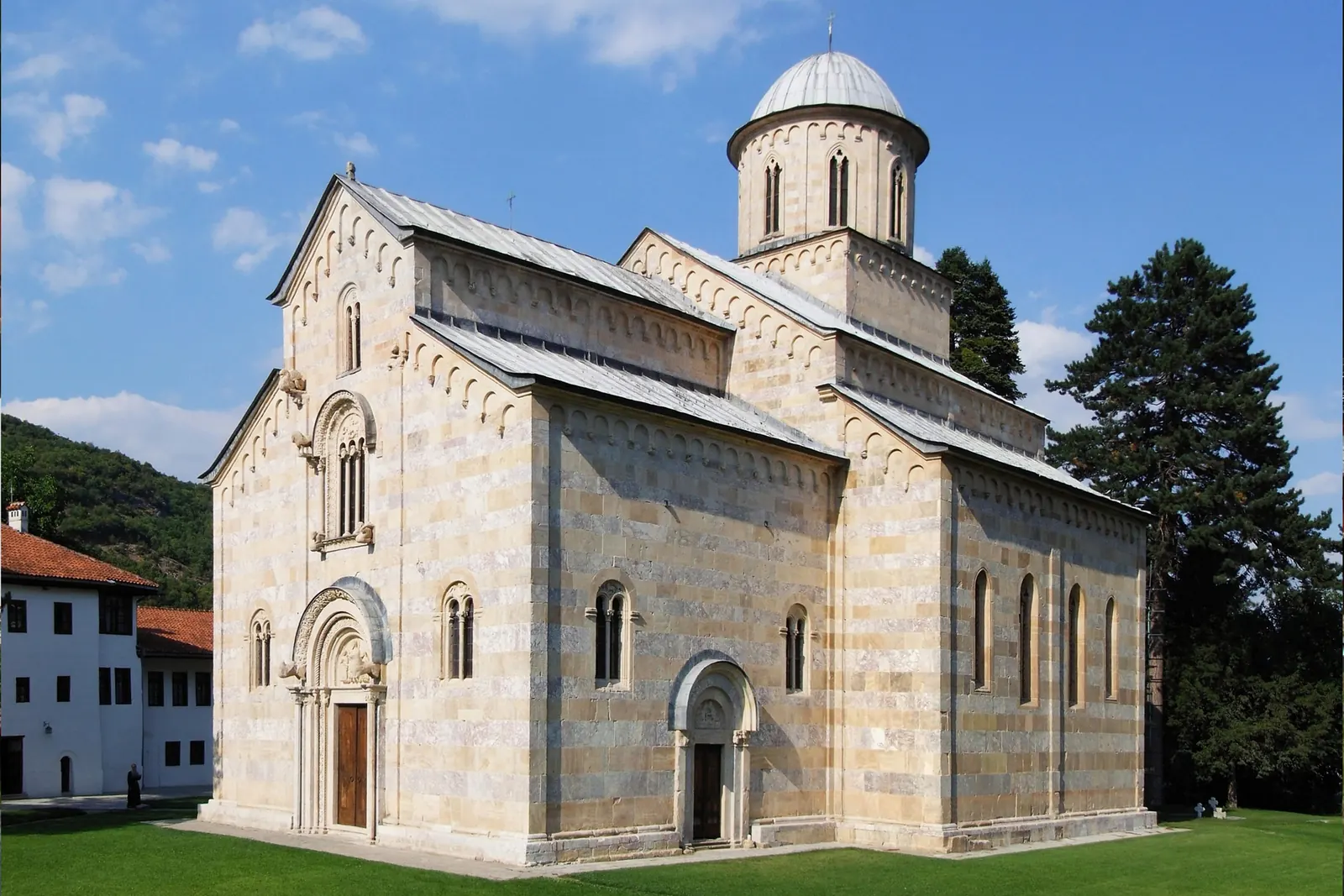
Dečani · Serbia
1327–1335
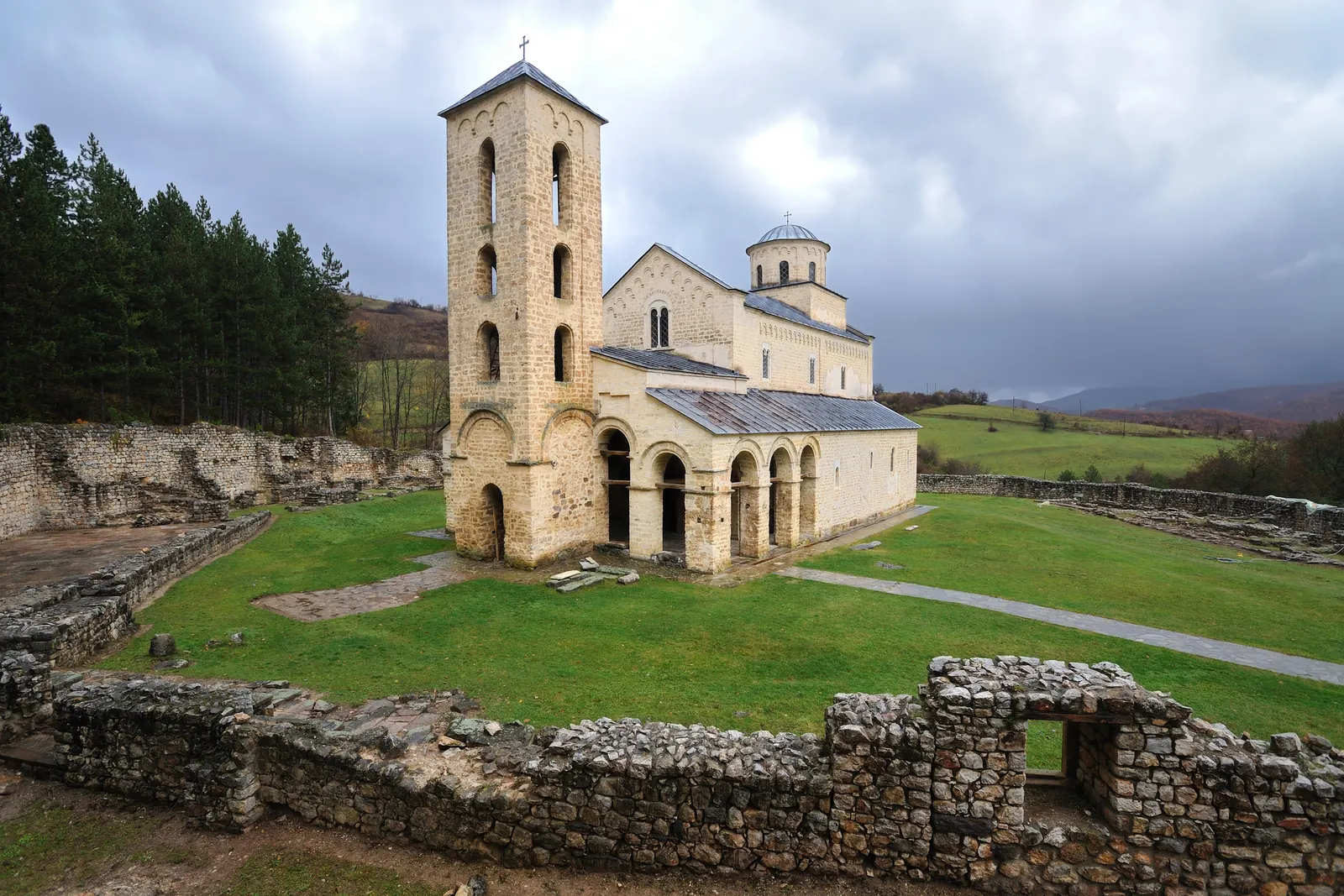
Novi Pazar · Serbia
c. 1260
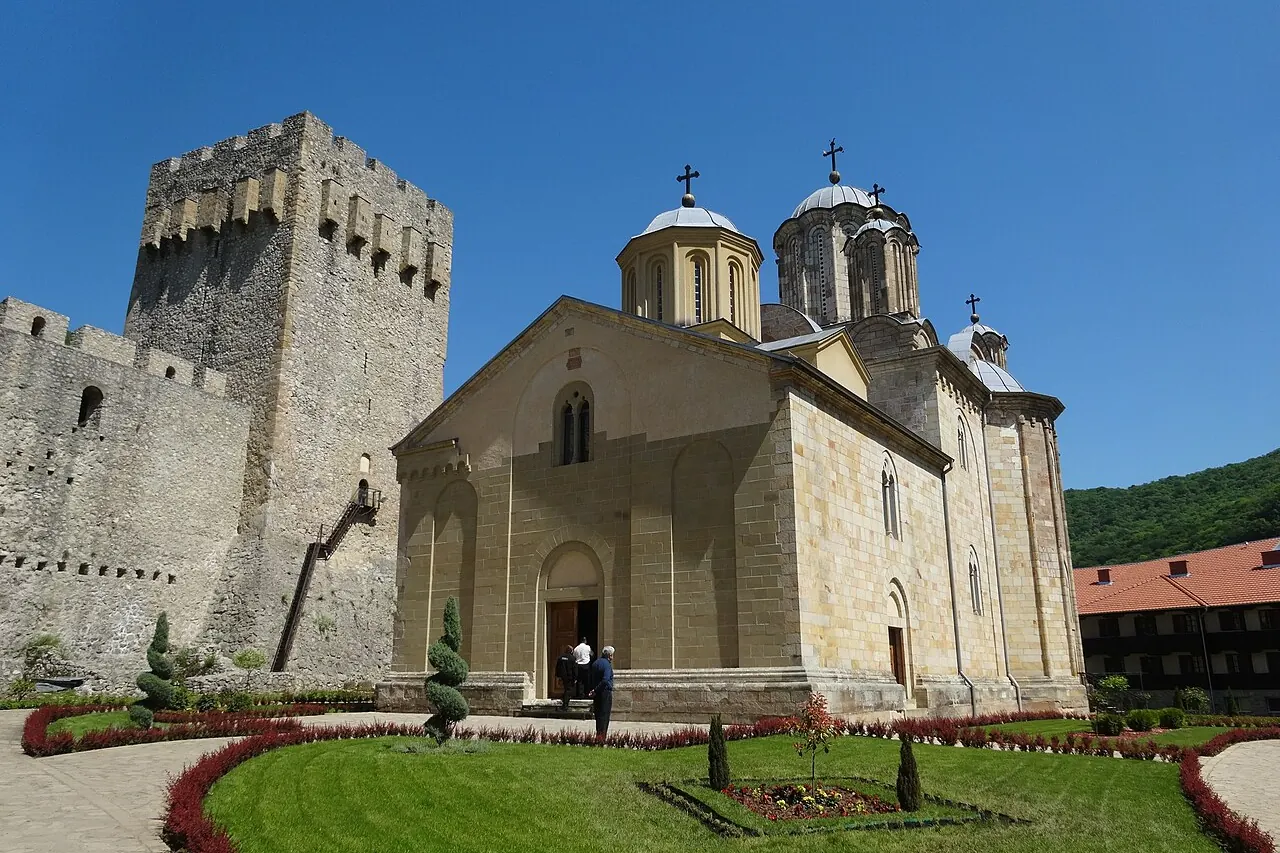
Despotovac · Serbia
1406/7–1418
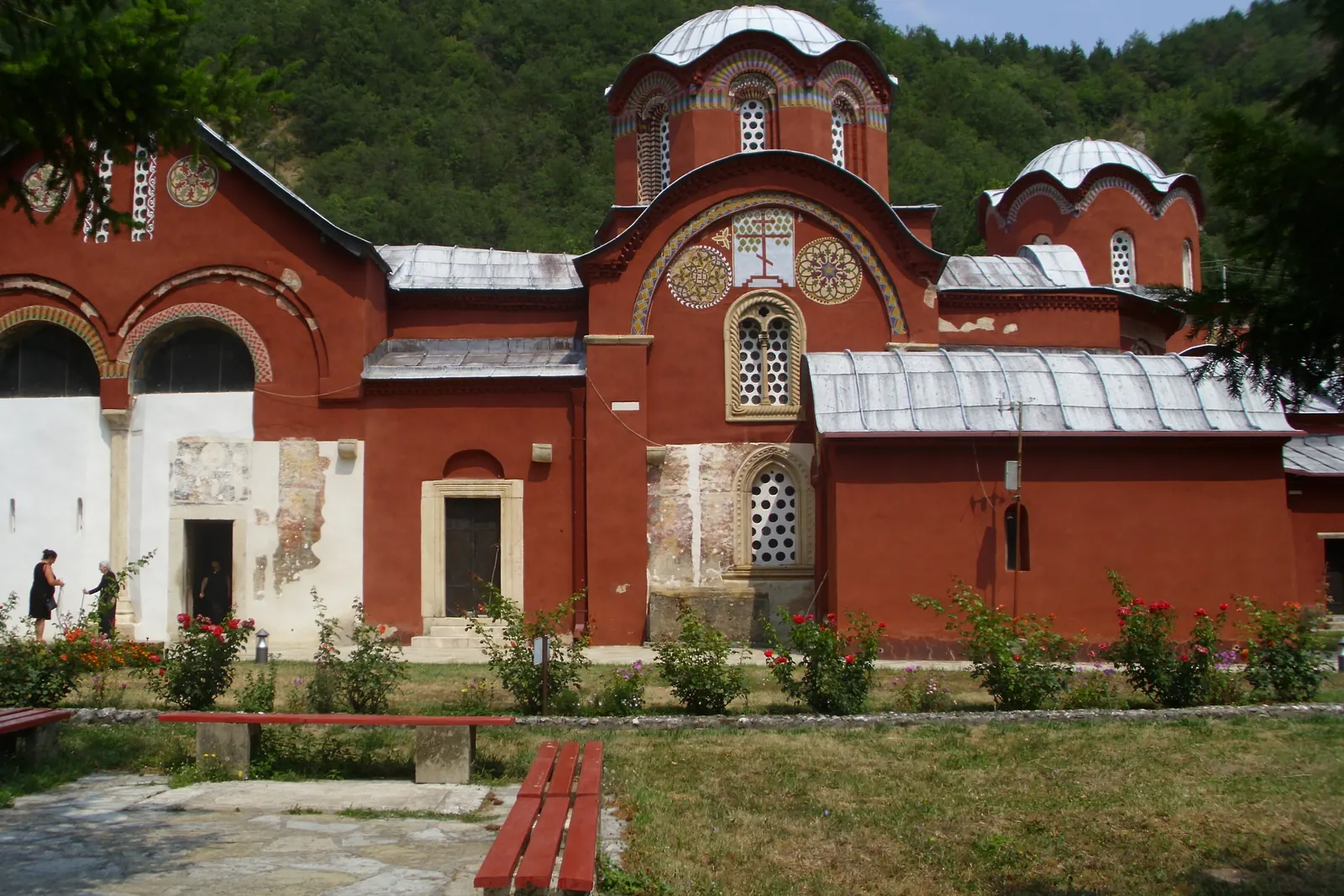
Peć · Serbia
13th–14th century
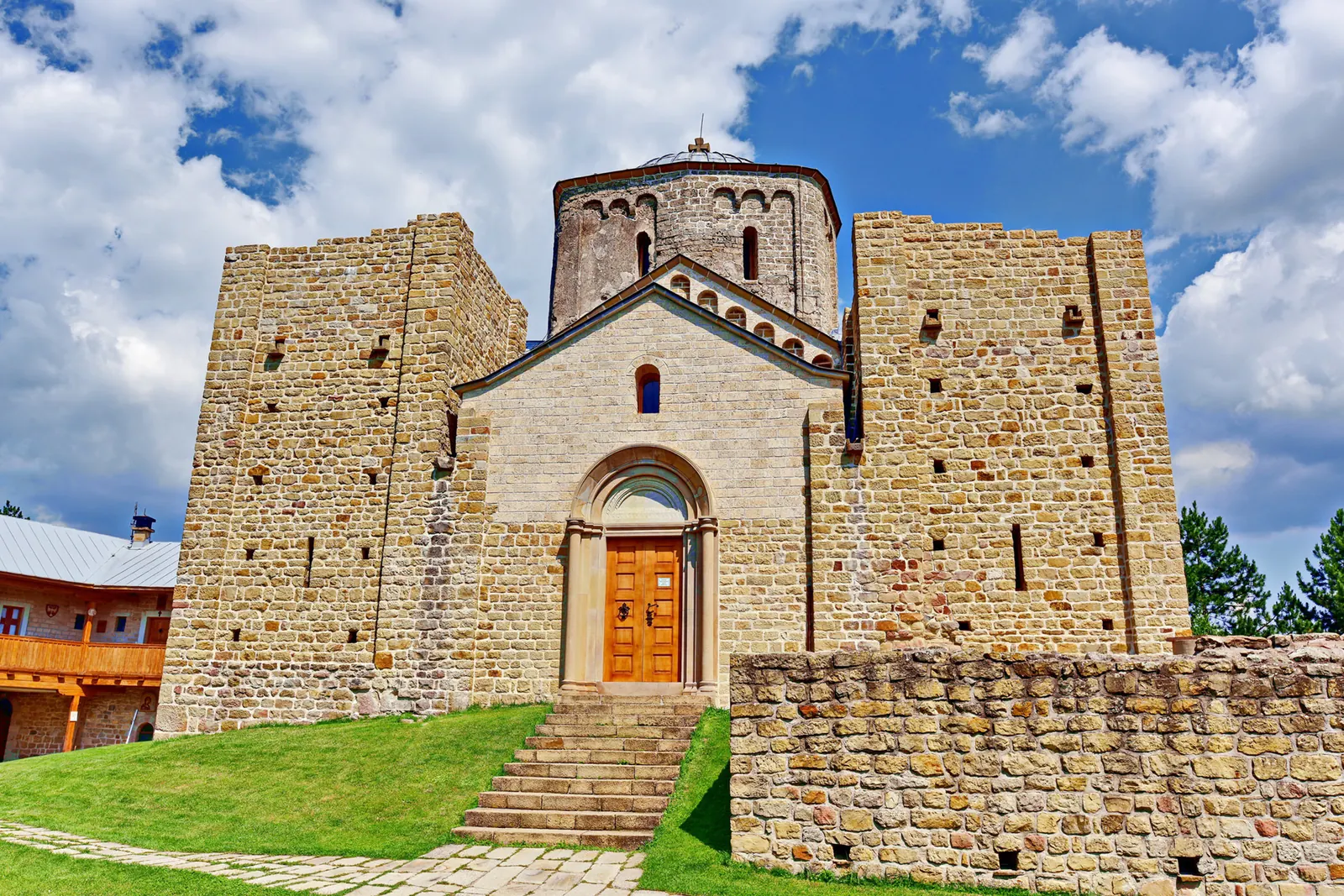
Novi Pazar · Serbia
1170–1171
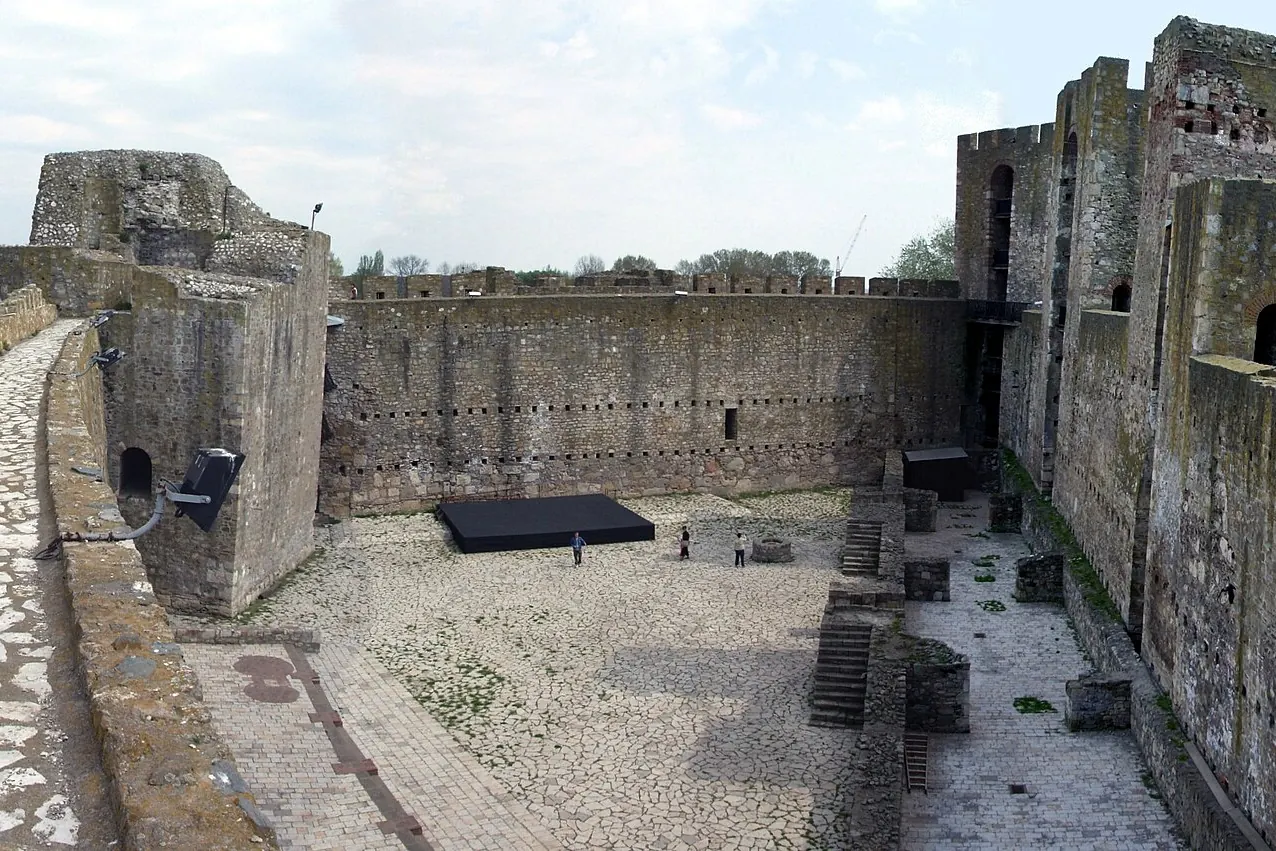
Smederevo · Serbia
1428–1430
Beyond the homeland
Nemanjić endowments in Macedonia and Zeta, the monasteries of Dalmatia, the churches of the Danube basin, Hilandar on Mount Athos and the graves of Serbian soldiers from Thessaloniki to Bizerte belong to the same heritage as Studenica and Gračanica.
All countriesWorld Heritage
On the Tentative List: Manasija, Smederevo Fortress and the Negotin wine cellars.
All about the UNESCO sitesTimeline
Heritage at risk
Burnt churches, destroyed monasteries, forgotten roadside memorials. The database records the condition of every monument and singles out those at risk of disappearing — 13 monuments so far.
About the project
The umbrella project of Kulturni element that brings together the central databases of Serbian heraldry, endowments, dramatic heritage and monuments.
Serbian Monuments grew out of the Serbian Cultural Heritage website and is becoming the umbrella database of Serbian monumental heritage, linked to the founders and benefactors in its sister databases.
About the Serbian Historical Corpus
The database grows through the work of art historians, photographers and friends of heritage. Support the project, send a photograph or suggest a monument that is missing.